By Jingzhe Guo, Bauhinia Walls
At the height of China’s wallpaper boom, Bauhinia Walls shipped one million rolls in a single month. For a manufacturer, rolls shipped was a useful measure of scale. By 2020, it was becoming a less useful guide to where the industry was heading. A wallcovering brand could add dealers while selling less through each one. A gravure printer could leave a wallpaper factory and use the same skills to print woodgrain on PVC film. And a country that had long imported Chinese wallpaper could begin making its own.
When seamless wallcoverings became a contest between brands
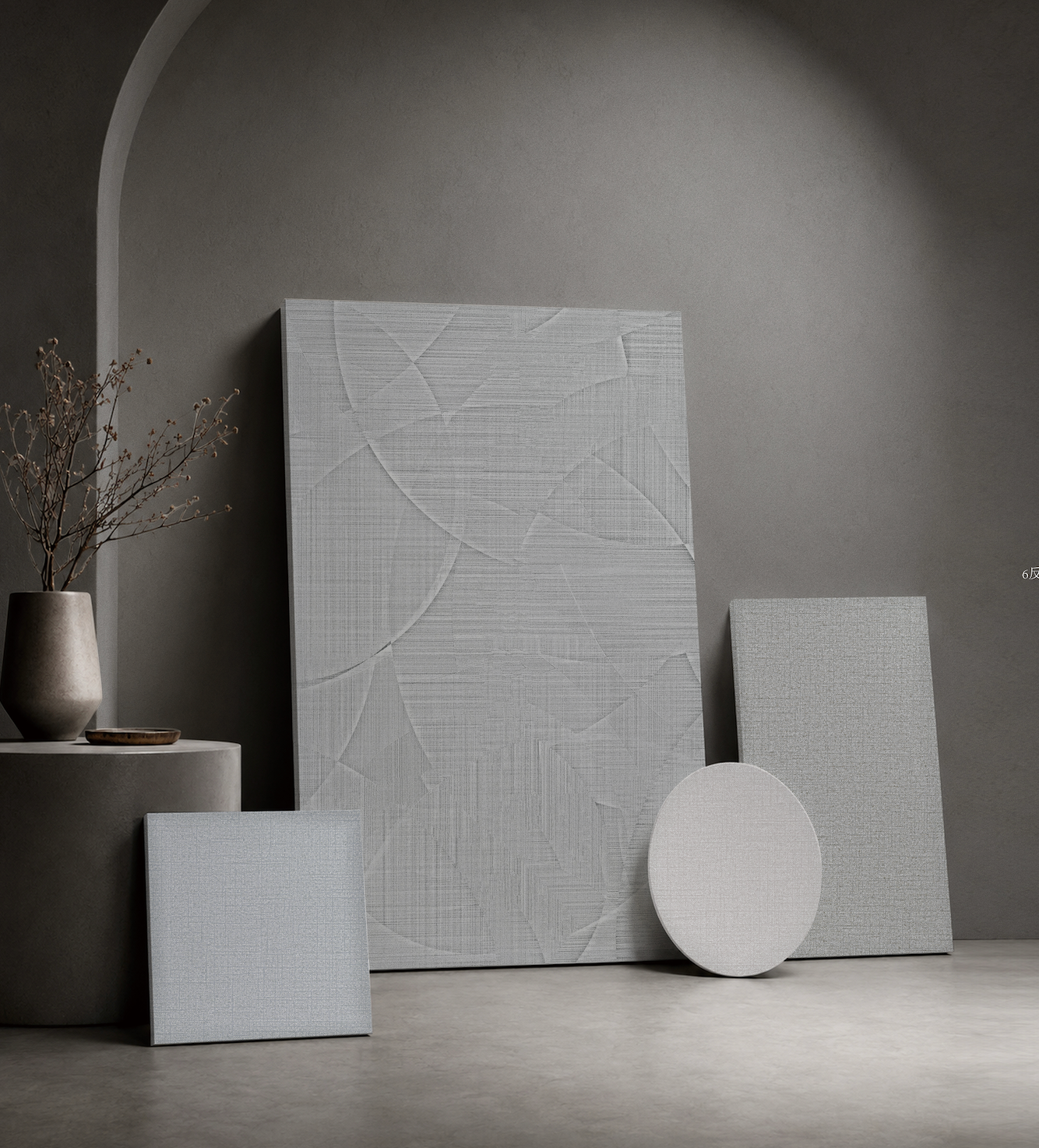
The previous instalment traced how textile manufacturers in Zhejiang adapted curtain fabrics for use on walls. By laminating wide woven fabric to a nonwoven backing, they could cover the length of a wall without the repeated vertical seams of conventional wallpaper. That gave dealers a selling point customers could see in the showroom. By 2019, textile wallcoverings had overtaken wallpaper in China by area sold. In 2020, sales reached approximately 1.19 billion square metres of textile wallcoverings, compared with 400 million square metres of wallpaper, according to industry association figures cited in Zhejiang Lianxiang’s IPO filing.
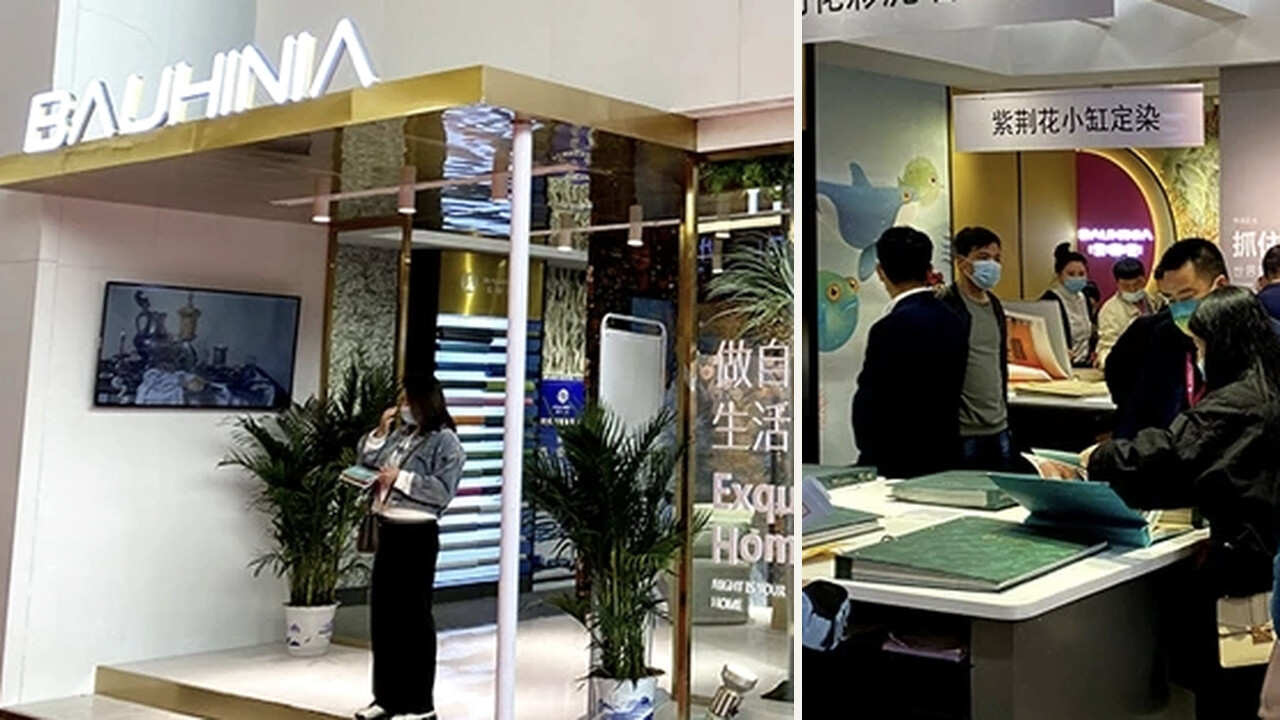
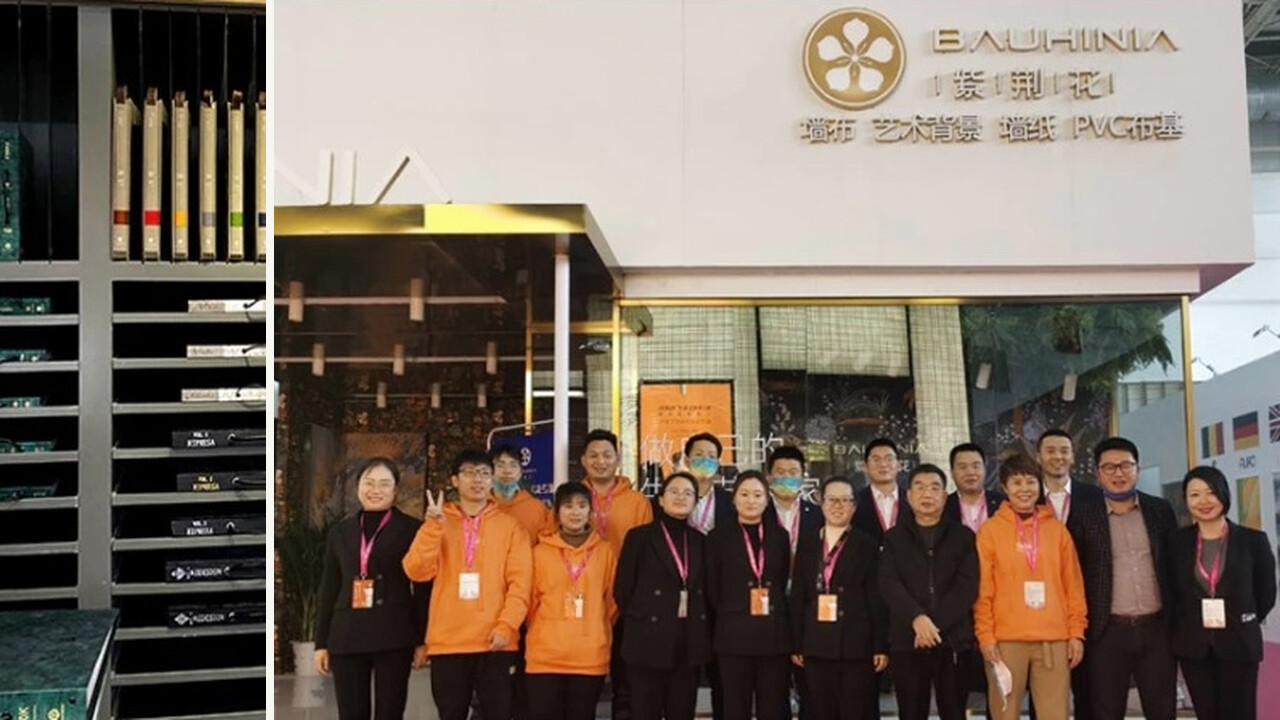
Once several suppliers could offer a seamless finish, the dealer’s question changed: which collection deserved space in the showroom? Manufacturers invested in new designs, sample books, advertising, branded stores and dealer recruitment. Zhejiang Lianxiang’s experience shows the limits of that strategy. Between 2021 and 2023, its average number of dealers rose from 1,089 to 1,378, yet the annual revenue it earned per dealer fell from RMB 251,600 to RMB 99,400. Getting a sample book into more stores did not mean that more homeowners were ordering from it.
The housing slowdown reached the showroom
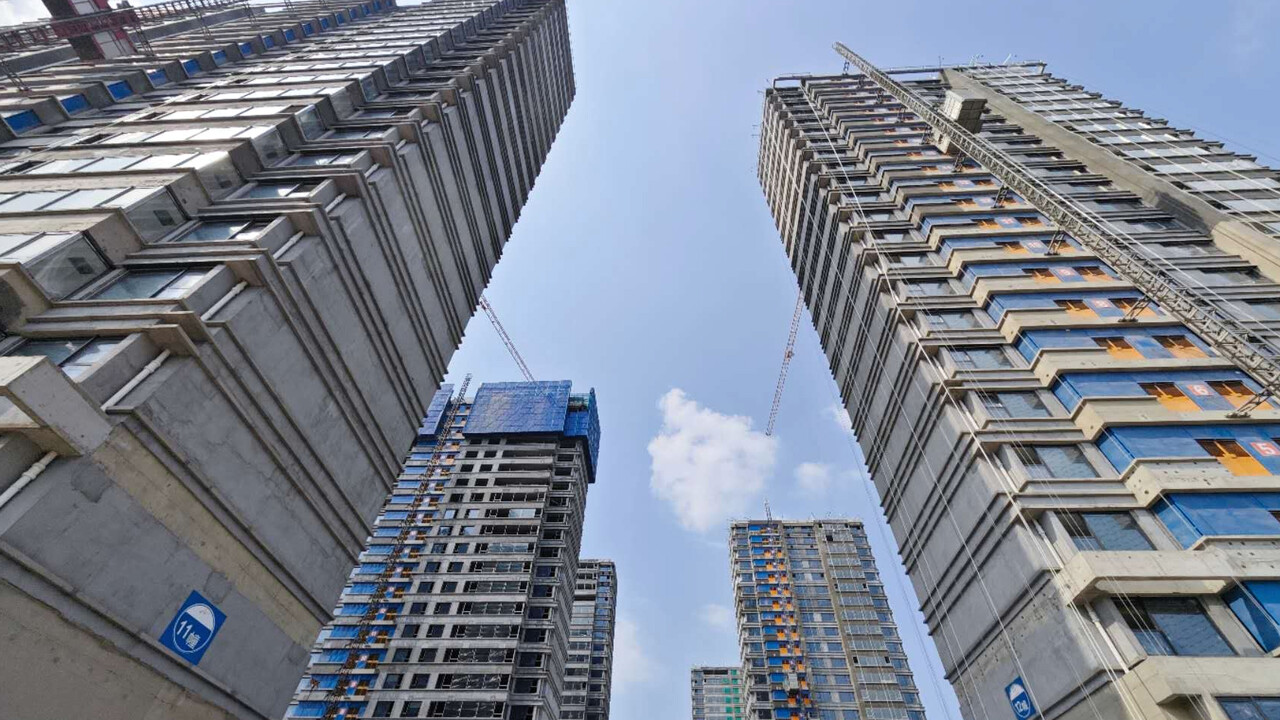
In 2022, China’s residential floor area sold fell 26.8% year on year, while residential construction starts, also measured by floor area, fell 39.8%. The weakness in new construction outlasted the pandemic disruptions: developers started approximately 881 million square metres of housing in 2022 and 430 million in 2025. There is a lag between breaking ground and choosing a wall finish, but for dealers whose business depended on newly delivered apartments, the pipeline of future projects had narrowed.
The pressure was visible at the product level. Lianxiang’s average selling price for jacquard wallcoverings fell from RMB 69.98 per linear metre in 2021 to RMB 57.40 in 2023, partly because lower-priced collections accounted for a larger share of sales. In 2025, the company reported RMB 102.5 million in revenue from wallcoverings, curtains and related products, down 25.0% year on year. These are one manufacturer’s results. Among the wallpaper factories we knew, responses varied: some ran fewer production lines; others withdrew from the domestic residential market.
Hotel renovations created a different kind of order
Around 2022, Bauhinia Walls saw a short burst of orders from some hotels used for quarantine and from properties undergoing refurbishment. One material those projects called for was 54-inch (1.37 m) fabric-backed vinyl wallcovering. The distinction from residential textile wallcovering matters: on a woven wallcovering, the fabric is the visible finish; on fabric-backed vinyl, the textile supports a vinyl face that hotel staff can wipe clean.
A longer-term change was taking place in hotel procurement. Chain-affiliated properties accounted for about 31% of hotel rooms in China at the end of 2020, rising to 41.8% by the end of 2025. During this period, Bauhinia Walls began supplying wall finishes for hotel projects within the Atour, Jin Jiang Hotels, GreenTree Inn and Dossen networks. A residential dealer might ask which patterns were new that season. A hotel buyer also needed to know whether the same texture could be supplied to another property, whether colours would match across batches and whether replacement material would still be available after opening.
Wall panels competed for the same wall
Around 2021–2022, we began seeing decorative wall panels specified more often on commercial projects. In a working hotel, installation time has a direct cost: a guestroom under renovation cannot be sold. Factory-finished panels moved part of the work off site. In March 2022, China’s industry standard for prefabricated integrated wall systems took effect. That November, Eagle documented two uses in Guangzhou: bamboo–wood fibre panels on guestroom walls at a Jinjiang Metropolo hotel in Baiyun and in guestroom corridors at a boutique hotel in Conghua. Seamless textile wallcoverings, which had won business from wallpaper, now faced competition from panels for some of the same surfaces.
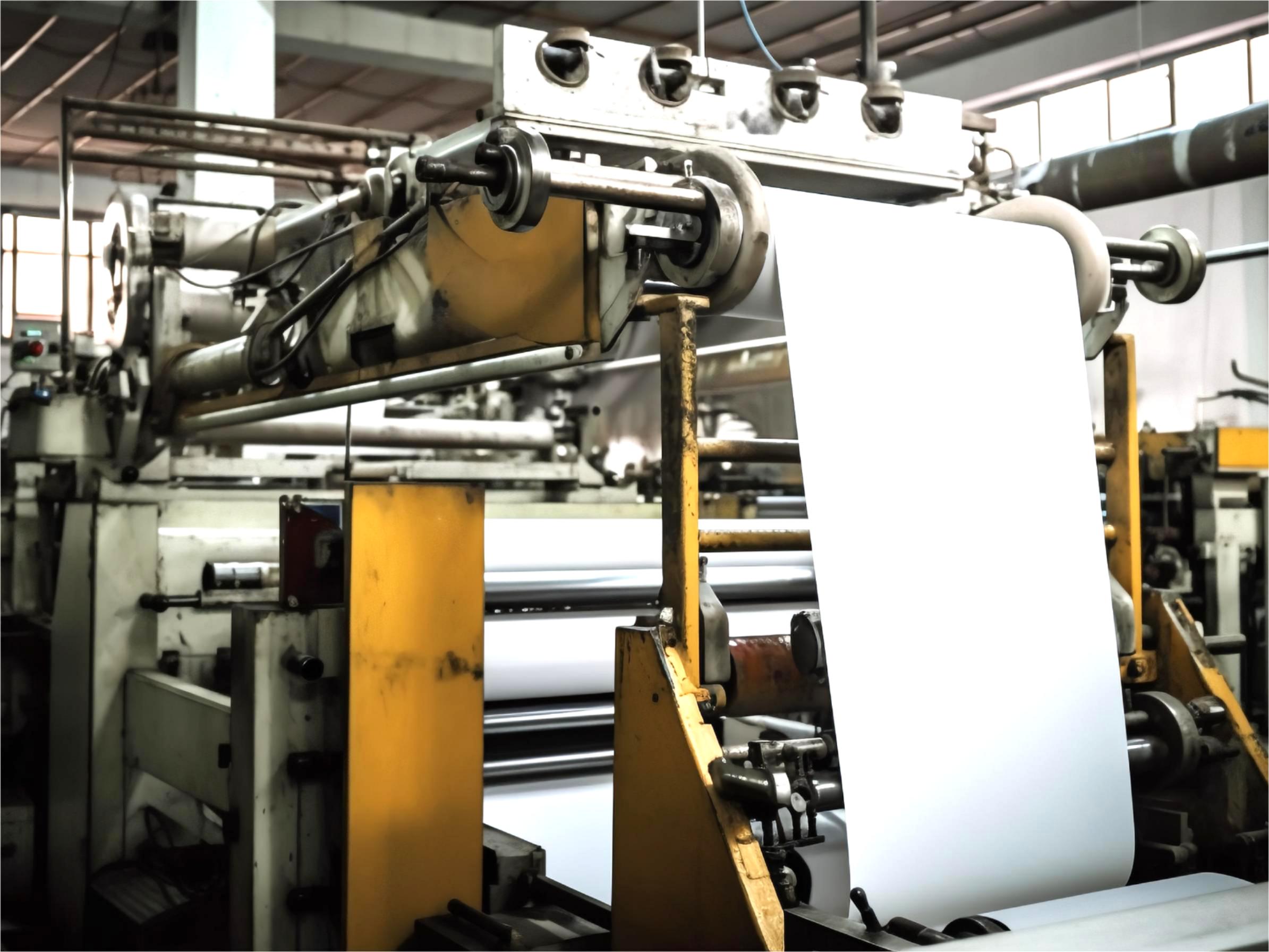
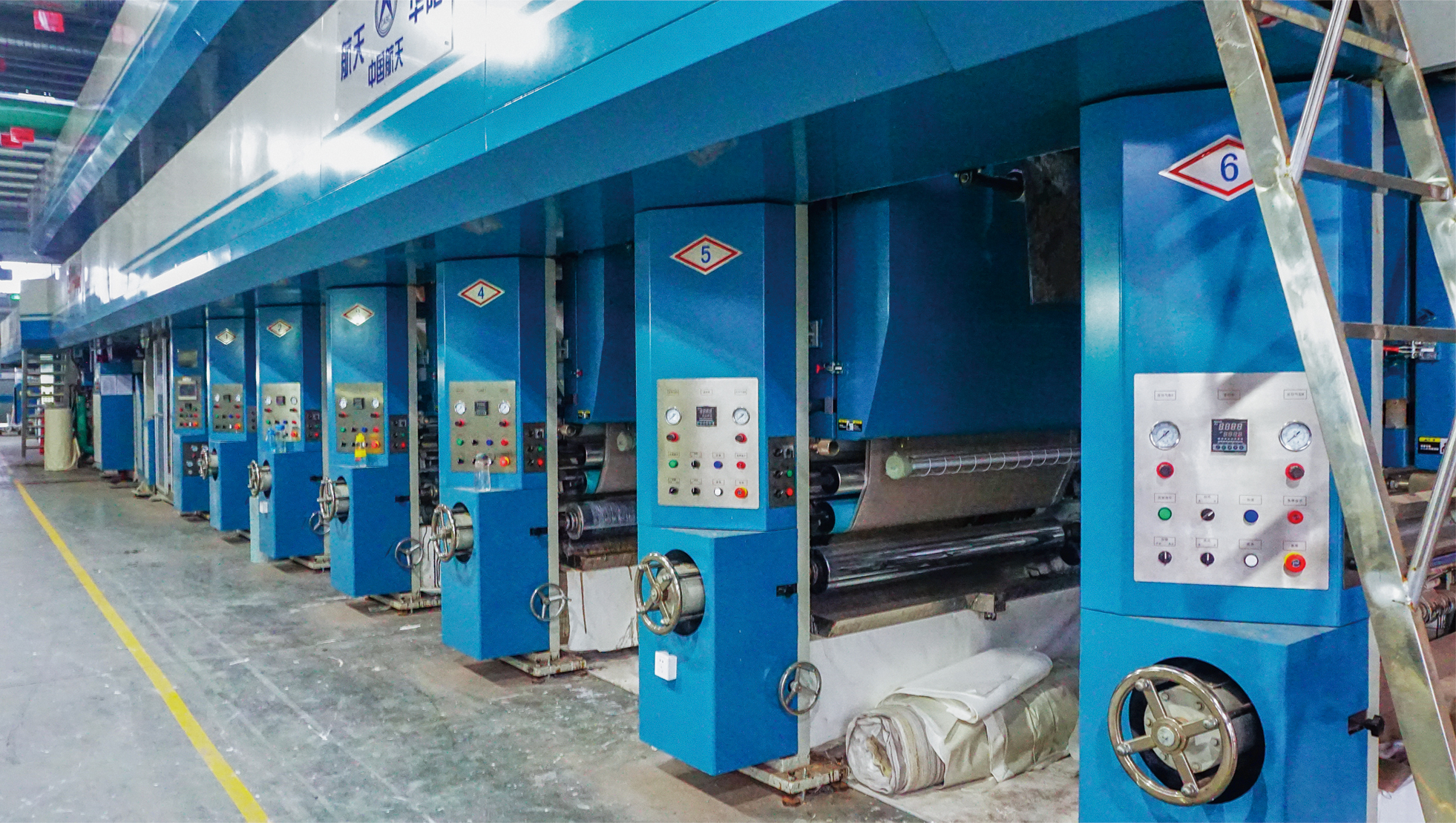
The shift could also be seen in where people went to work. Some gravure printers we knew moved from wallpaper plants to factories producing PVC decorative film. The material passing through the press had changed, but the operator still had to keep successive colours in register and reproduce the same woodgrain from one batch to the next.
Bauhinia Walls followed a related path. Alongside commercial vinyl wallcoverings, we added production lines for decorative wall panels, PVC decorative film and custom digitally printed wallcoverings. The reason for broadening the range was practical. A single hotel operator might specify vinyl for guestrooms, panels for a corridor on a tight renovation schedule and a mural sized for one lobby. Serving those different applications reduced the factory’s dependence on demand for any one finish.
When an export market began making its own wallpaper
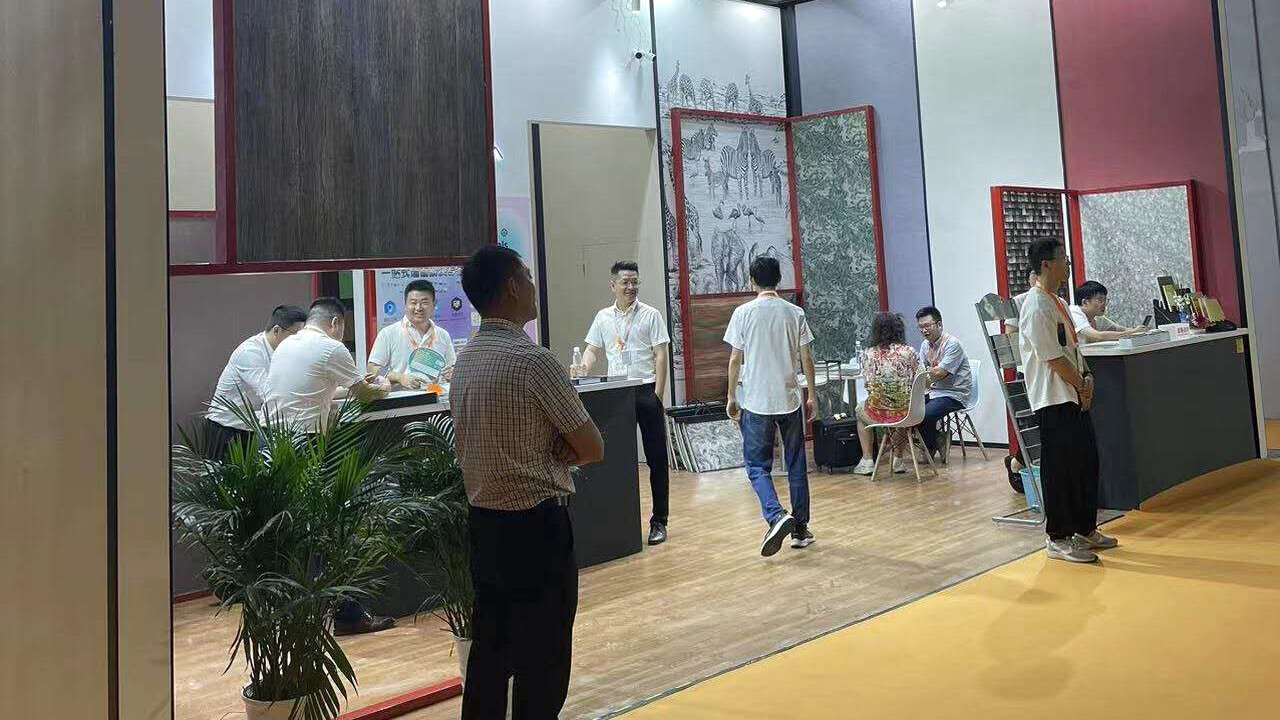
India illustrates how overseas production could develop alongside established trade. India’s Directorate General of Trade Remedies records that Eximus Wallpapers began commercial production at its Taloja facility in January 2022. Two years later, India still imported US$21.06 million of plastic-faced paper wallpaper and related wallcoverings under customs code HS 481420. China supplied US$13.32 million, about 63% of the import value in that category, according to World Bank WITS trade data. Indian production and imports of Chinese rolls were developing side by side.
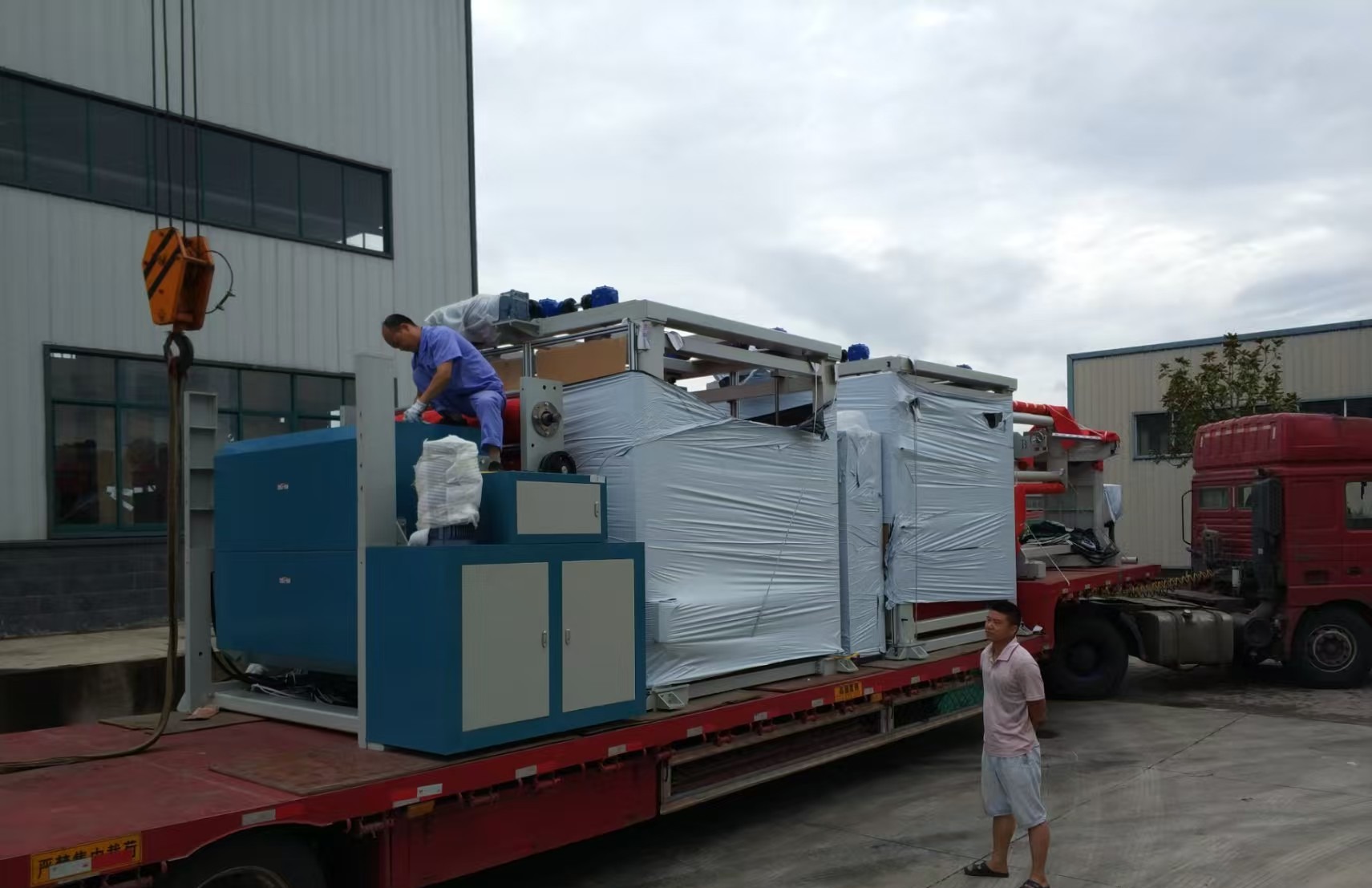
During this period, Bauhinia Walls began working with a wallpaper factory in India. Elsewhere in the trade, industry contacts described Chinese manufacturers moving equipment to Iran and local entrepreneurs establishing factories in other Asian markets. These projects differed in ownership and scale. What they had in common was that a printing process, a machine or a production relationship could now cross a border as readily as a finished roll.
Between 2020 and 2025, the slowdown in new housing weakened an important source of demand for wallpaper in China. Some manufacturers cut production, while others applied their printing, colour-matching and finishing skills to products such as PVC decorative film and custom murals. Hotel renovations also provided a market for fabric-backed vinyl wallcoverings and prefabricated wall panels, where ease of maintenance and installation time influenced the choice of material. A parallel shift was visible in India, where local wallpaper production coexisted with continued imports from China. Domestic wallpaper shipments therefore tell only part of the industry’s history over these five years: they record changes in the volume of one product, but reveal little about how manufacturing skills moved between materials or where production took root.