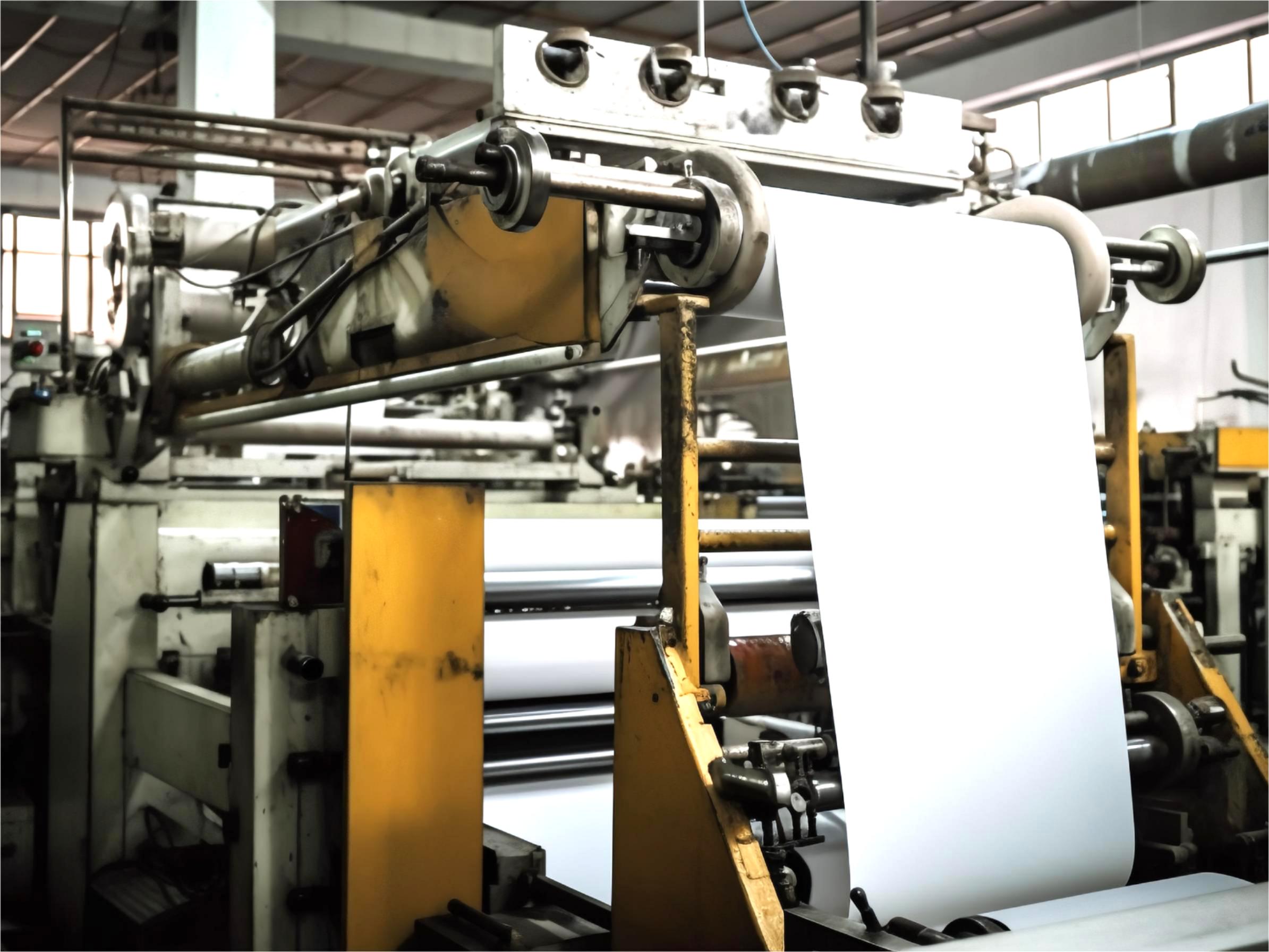
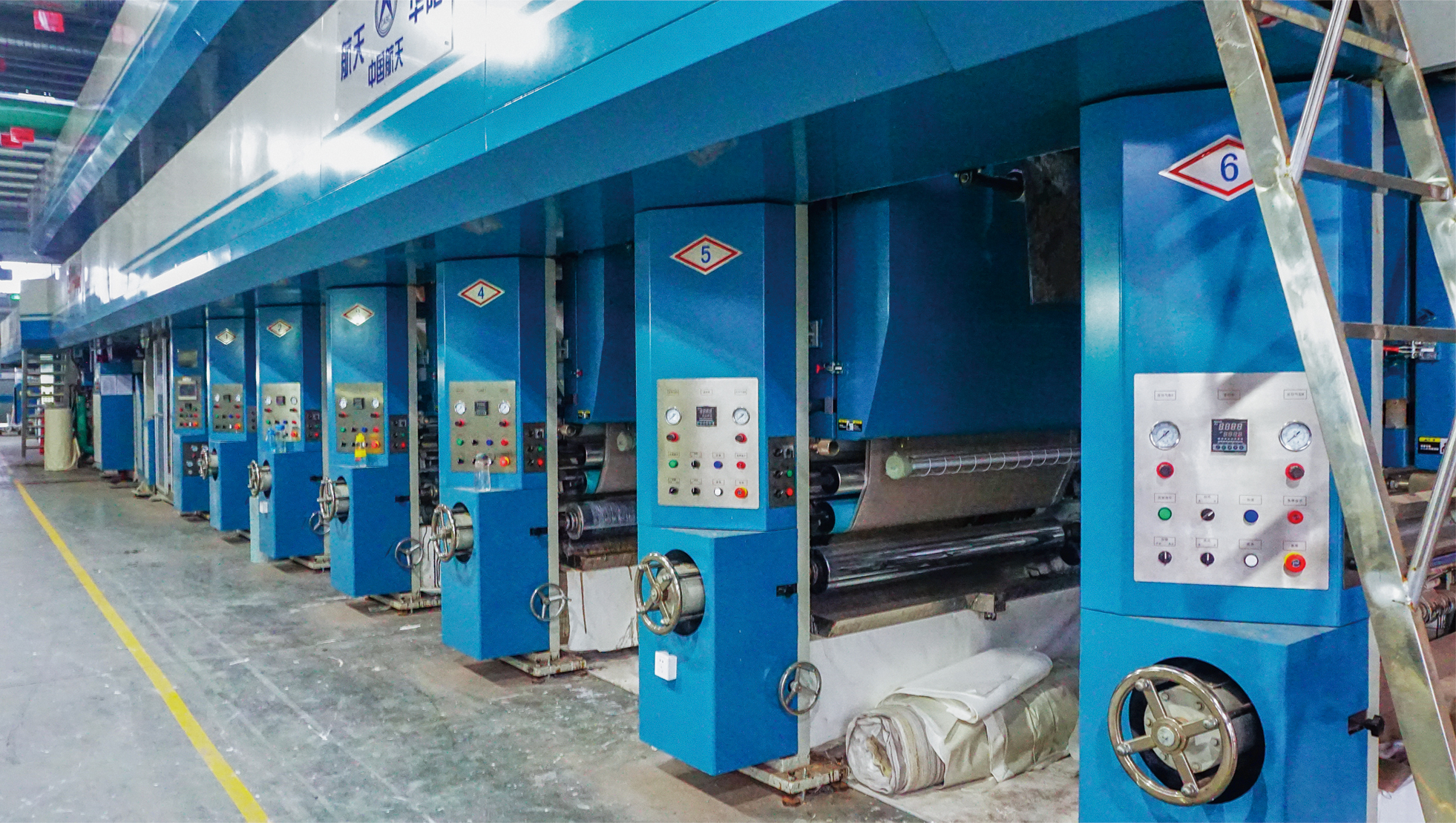
At the peak of Bauhinia’s wallpaper business, our monthly shipments reached 1 million rolls.
That figure captures the scale Chinese wallpaper manufacturing had achieved. It also helps explain the difficult transition that followed: as production capacity continued expanding, prices kept falling, and shipping more rolls became an increasingly uncertain route to sustainable growth.
For Bauhinia, this pressure encouraged us to extend our product portfolio beyond traditional wallpaper, including investment in vinyl wallcovering production lines.
Across the industry, manufacturers and distributors were reconsidering what to produce, how to compete, and where the next opportunity might emerge.
One of the most consequential changes was the rapid growth of seamless textile wallcoverings in China’s residential decoration market.
When manufacturing success became commercial pressure
The machinery and supply chains that had enabled China’s wallpaper boom also made further capacity expansion relatively accessible.
But demand could not absorb unlimited additions.
A February 2017 Xinhua report, citing the industry association, put China’s 2016 wallpaper production capacity at approximately 1.5 billion rolls, compared with a reported supply volume of 328 million rolls. These were different measures, but the gap illustrated the scale of the industry’s overcapacity problem.
The same report highlighted product similarity and competition involving low prices and inferior quality.
For manufacturers, this created a difficult business environment. Lower prices placed pressure on margins, while similar collections made it harder to explain why one supplier deserved a premium over another.
The cost of losing consumer confidence
In my experience, the consequences extended beyond factory profitability.
Problems with some low-priced wallpaper products weakened consumer confidence in the wider category. A homeowner disappointed by a particular product did not necessarily distinguish between that supplier and wallpaper as a whole.
Quality problems, together with inconsistent installation outcomes, could therefore become a reputation problem for the entire market.
This did not mean that all wallpaper was poor quality. It meant that responsible manufacturers also had to compete with negative perceptions created elsewhere in the supply chain.
For dealers, recommending a different product became an opportunity to restart the conversation with customers.
How Zhejiang’s textile industry helped create an alternative
The emergence of seamless textile wallcoverings drew on an existing industrial strength: Zhejiang’s extensive decorative textile supply chain, particularly around Shaoxing and the wider Yangtze River Delta.
Entrepreneurs adapted fabric-making capabilities familiar to the curtain and furnishing industries for wall decoration. One practical construction involved laminating decorative fabric to a suitable backing, including nonwoven materials.
Spunlace nonwoven backing was among the constructions used; a Chinese patent published in 2016 documents a wallcovering combining a fabric face with a spunlace nonwoven layer.
The innovation was therefore about more than changing the visible surface. It connected weaving, backing, finishing, and installation into a product that could be sold through established wall-decoration channels.
Seamless textile wallcoverings had already entered commercial development before 2015. The following years brought their accelerating adoption.
Wall-height fabrics installed horizontally offered a clear selling proposition: fewer repeated vertical joins, a textile surface, and a different decorative experience.
A shift driven by dealers as well as consumers
From my perspective, the distribution network played a decisive role.
For dealers facing price competition and customer complaints in wallpaper, seamless textile wallcoverings offered a fresh product story, attractive early margins, and new collections around which to rebuild showroom interest.
More wallpaper distributors, retailers, and other intermediaries entered the category.
Their involvement brought existing customer relationships, sample-book distribution, and local sales networks. As more businesses promoted the product, its visibility and availability increased.
The result was a reinforcing cycle: greater dealer participation supported consumer adoption, which encouraged further investment and product development.
The historical data illustrate the divergence. Research published by the Qianzhan Industry Research Institute reported that, in 2018, Chinese wallpaper output fell 26.5% to 1.321 billion square meters, while wallcovering fabric output rose 53.8% to 1.08 billion square meters.
These figures cover the broader wallpaper and wallcovering fabric categories. They nevertheless provide a useful indication of the changing product mix during this period.
Bauhinia’s response: broadening our manufacturing capabilities
At Bauhinia, the experience of reaching peak monthly shipments of 1 million rolls made the limits of competing through volume particularly relevant.
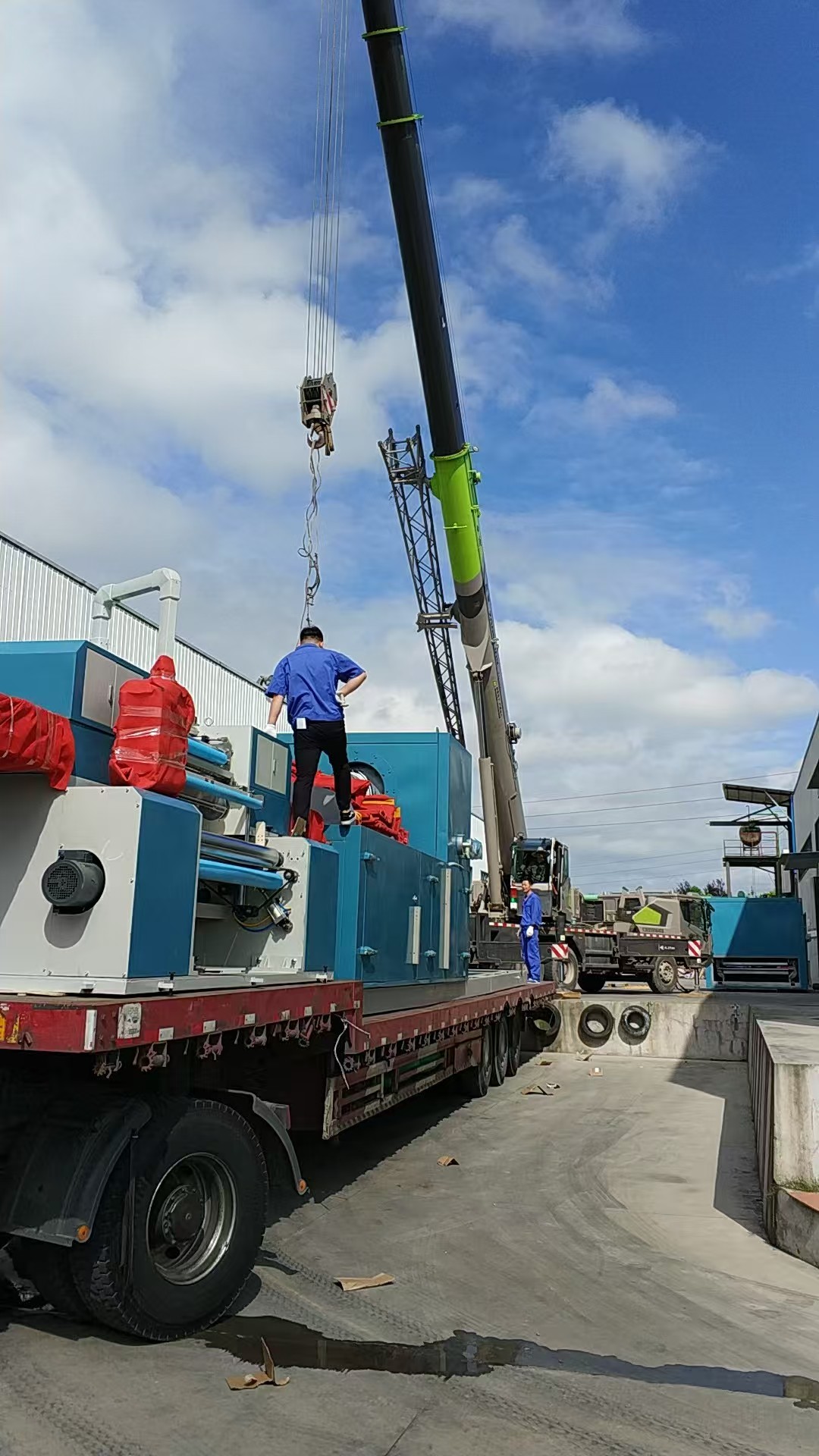
As capacity expanded and prices declined, we began extending our product lines, including vinyl wallcovering manufacturing.
For international readers, an important distinction is that China’s seamless textile wallcoverings and vinyl wallcoverings are different product categories. The former typically emphasizes a decorative textile face; vinyl wallcoverings have a vinyl surface and can use different backing constructions.
Our expansion reflected the need to develop a broader manufacturing business with more ways to serve customers.
Looking back, I see 2015–2020 as a turning point in China’s wall decor industry. Production scale remained important, but product quality, consumer confidence, and the choices made by distributors increasingly shaped which categories grew.
For those who worked through this transition, what drove the change most strongly: consumer preferences, dealer incentives, or dissatisfaction with existing products?
Company note: Bauhinia’s shipment figure is company-provided and refers to a peak month.
Historical references:
- Xinhua, February 2017: “China announces new wallpaper and wallcovering industry standards.”
- Qianzhan Industry Research Institute, November 2019: analysis of China’s wallpaper industry and the growth of wallcovering fabrics.
- Chinese patent CN205688710U, published in 2016: an example of fabric wallcovering construction incorporating spunlace nonwoven backing.