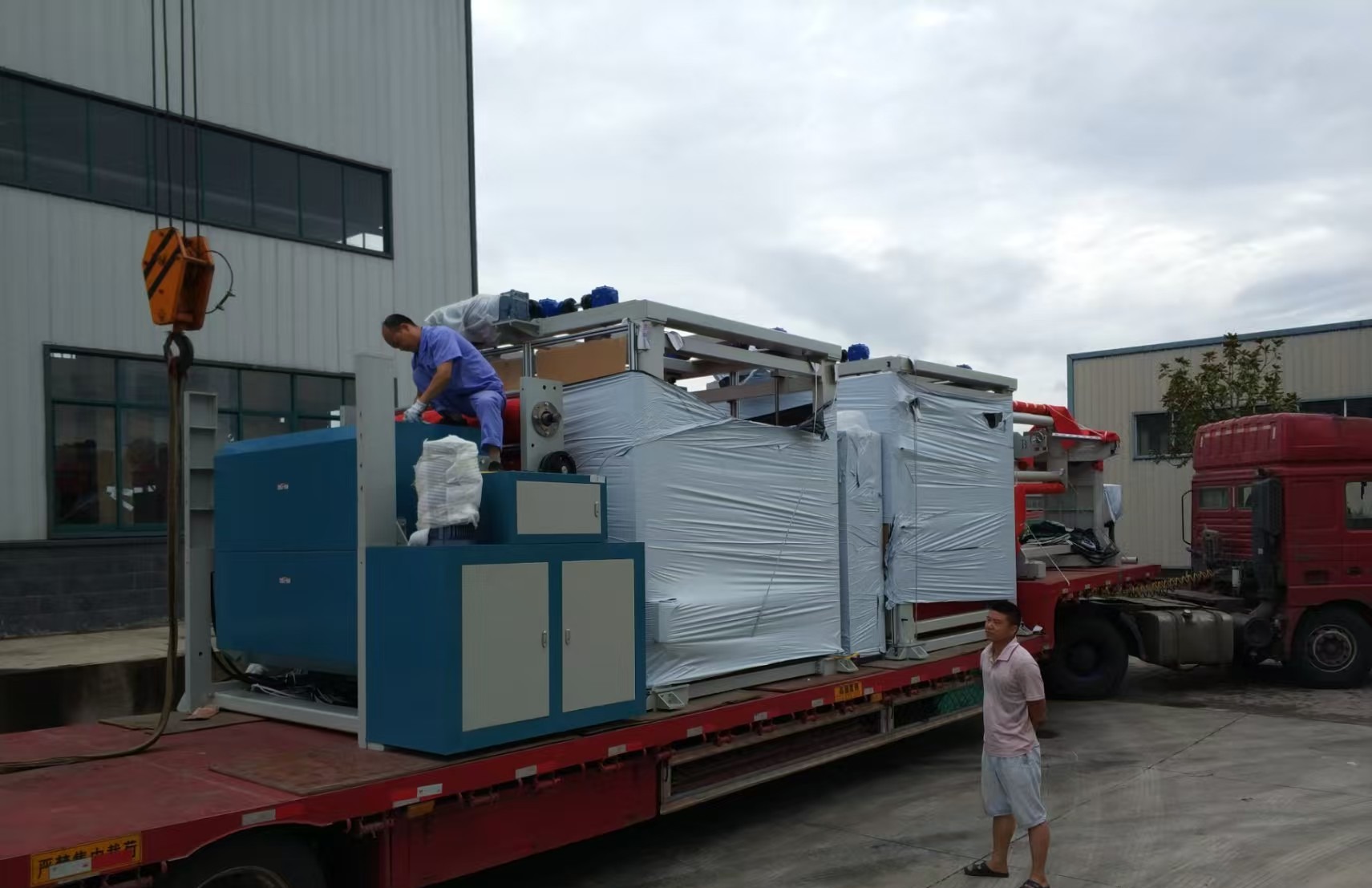
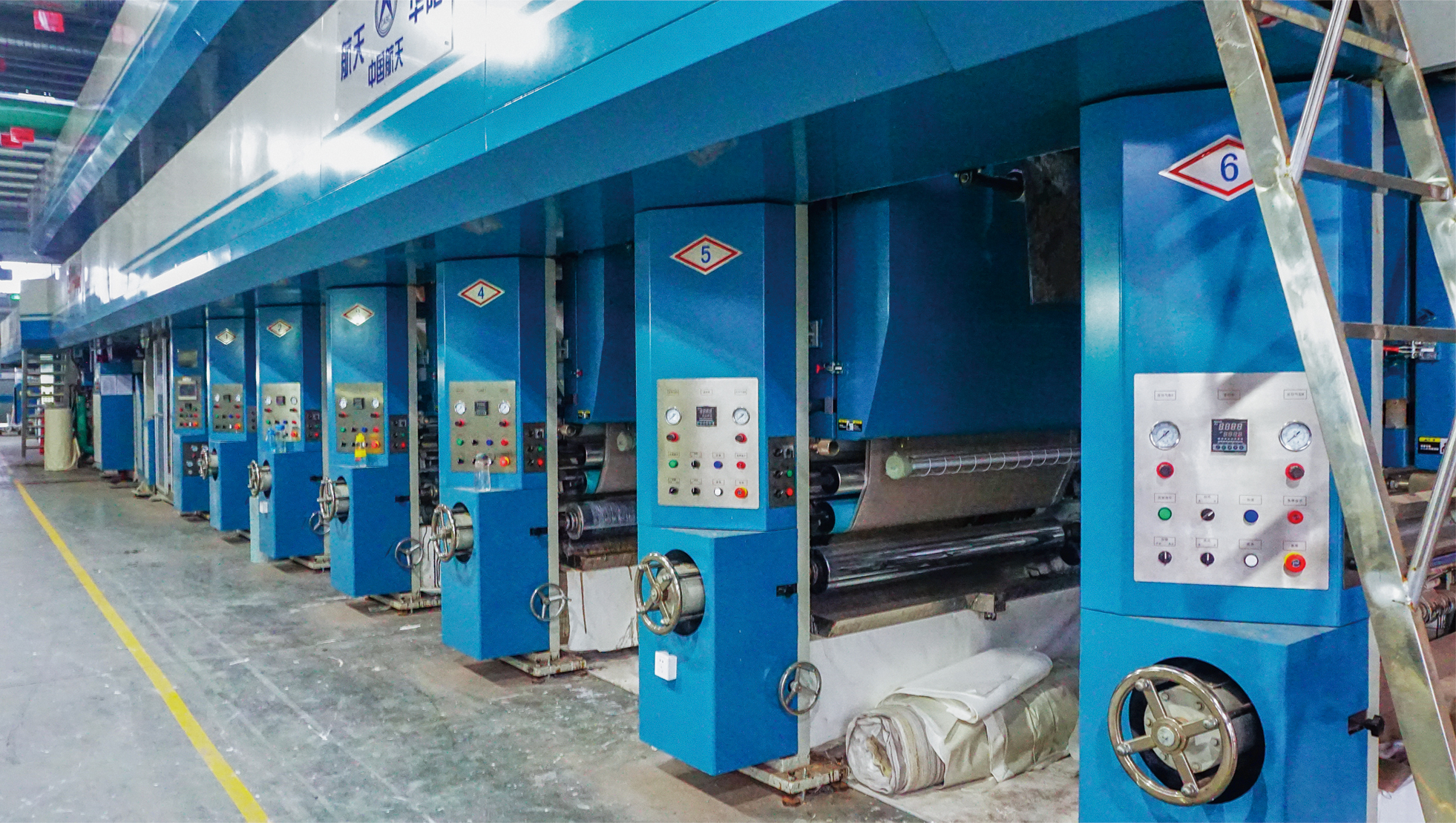
The 1990–2005 era laid the groundwork through import substitution, but the 2005–2015 decade was an entirely different beast. It was an era of dizzying hyper-growth, technological leaps, and the fierce rise of domestic brands. Returning to China around 2009 after graduating from university in the United States, I stepped directly into what can only be described as an industrial gold rush (for me and Bauhinia Walls)—a spectacle that ultimately pulled me into manufacturing.
The 2009 Spectacle: A Gold Rush Mentality
Between 2005 and 2010, a perfect storm of rapid urbanization, booming real estate, and localized manufacturing capabilities created unprecedented profit margins across the entire wall decor value chain. Upstream raw material suppliers, midstream manufacturers, and downstream distributors were all generating extraordinary returns.
This immense profitability directly fueled the rapid development of the domestic printing machinery sector. By 2009, the sheer scale of the industry’s frenzy was on full display at the national trade shows in Beijing and Shanghai. The scenes were surreal.
First, there were actual queues of factory bosses waiting to place orders for domestic manufacturing equipment. Second, the downstream distribution network was so eager for product that some premium brand exhibitors required prospective dealers to carry hundreds of thousands of RMB in physical cash just to enter their VIP booths to negotiate regional agency rights for wallpaper sample books.
Swept up in this intoxicating atmosphere of hyper-growth, I found myself doing what many bold entrepreneurs did at the time: I bought two wallpaper printing and embossing machines and a coating line with the casualness of buying vegetables at a local market. This impulsive yet historically inevitable decision marked my official entry into the industry, leading to the establishment of my own manufacturing plant in 2011.
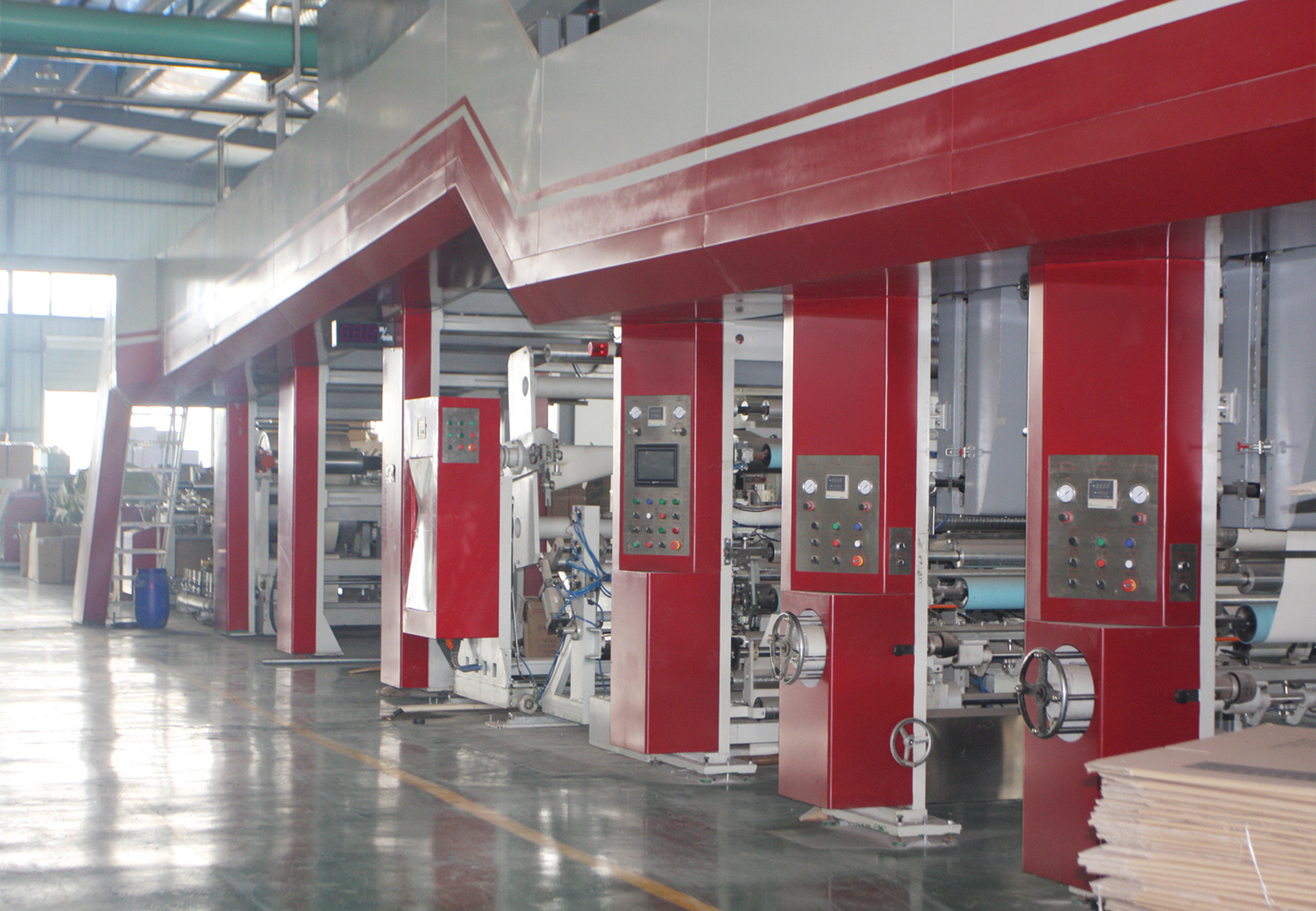
The Capacity Explosion and the War for Talent (2011-2015)
By 2011, wallpaper factories were mushrooming across the country. The industrial clusters rapidly expanded beyond the traditional strongholds of Guangdong and Zhejiang, densely populating Jiangsu and pushing into inland manufacturing hubs like Anhui province.
This aggressive capacity expansion triggered an intense, cutthroat war for technical talent. Because the machinery was evolving so quickly, experienced production operators and technicians from older, established wallpaper enterprises became the industry’s most prized assets. In this environment, loyalty was bought at a premium. Poaching a skilled master printer or coating line manager often required not just the promise of rapid career advancement, but the payment of a full year’s salary upfront in cash.
Technological Upgrades Amidst the Frenzy
Despite the “Wild West” atmosphere of capacity expansion, the 2005–2015 decade was defined by profound structural and technological upgrades. Competing solely on basic PVC vinyl was no longer sufficient.
The Rise of Non-Woven Technology: What was once a premium European import became localized. Chinese supply chains successfully integrated the production of non-woven substrates, popularizing this breathable, dimensionally stable, and easy-to-install material across the mass market.
Machinery Localization: The domestic equipment manufacturers (primarily in Guangdong) continuously iterated their designs. They introduced synchronized in-line embossing, automated color-matching, and high-speed coating systems that rivaled European precision at a fraction of the CAPEX.
Textile-Backed Innovations: Leveraging the deep textile roots of the Yangtze River Delta, the industry birthed seamless, jacquard-woven wallcoverings—a lateral innovation that utilized local supply chains to create a uniquely high-ticket product category.

The Export Pivot: Releasing the Pressure Valve
We estimate that by 2015, the number of wallpaper manufacturing plants in China hit its historical peak of approximately 400 factories. The annual trade shows swelled to accommodate thousands of exhibitors, including a massive influx of trading companies.

This staggering domestic capacity inevitably outpaced even China’s voracious real estate demand, forcing the industry to aggressively pivot toward exports. Armed with localized machinery, deep supply chain clustering, and highly skilled (albeit expensive) labor, Chinese manufacturers redefined global cost curves.
By the end of 2015, the Chinese wall decor industry had successfully transitioned from domestic substitution to global manufacturing dominance. The era of carrying suitcases of cash to trade shows was ending, replaced by the sober realities of overcapacity, the dawn of e-commerce, and the urgent need to transition from pure manufacturing volume to genuine brand value and design IP.
Originally published on LinkedIn by Jingzhe Guo.