Foreign imports, often retailing at an astronomical $100 to $500 per roll for premium wallpaper, were vastly out of reach for the average Chinese homeowner in 2000, whose annual disposable income was still under $1,000. The market demanded a solution, triggering a hyper-growth phase of “import substitution.”
This substitution was catalyzed by a dynamic mix of technology transfer, cross-strait investment, and localized innovation:
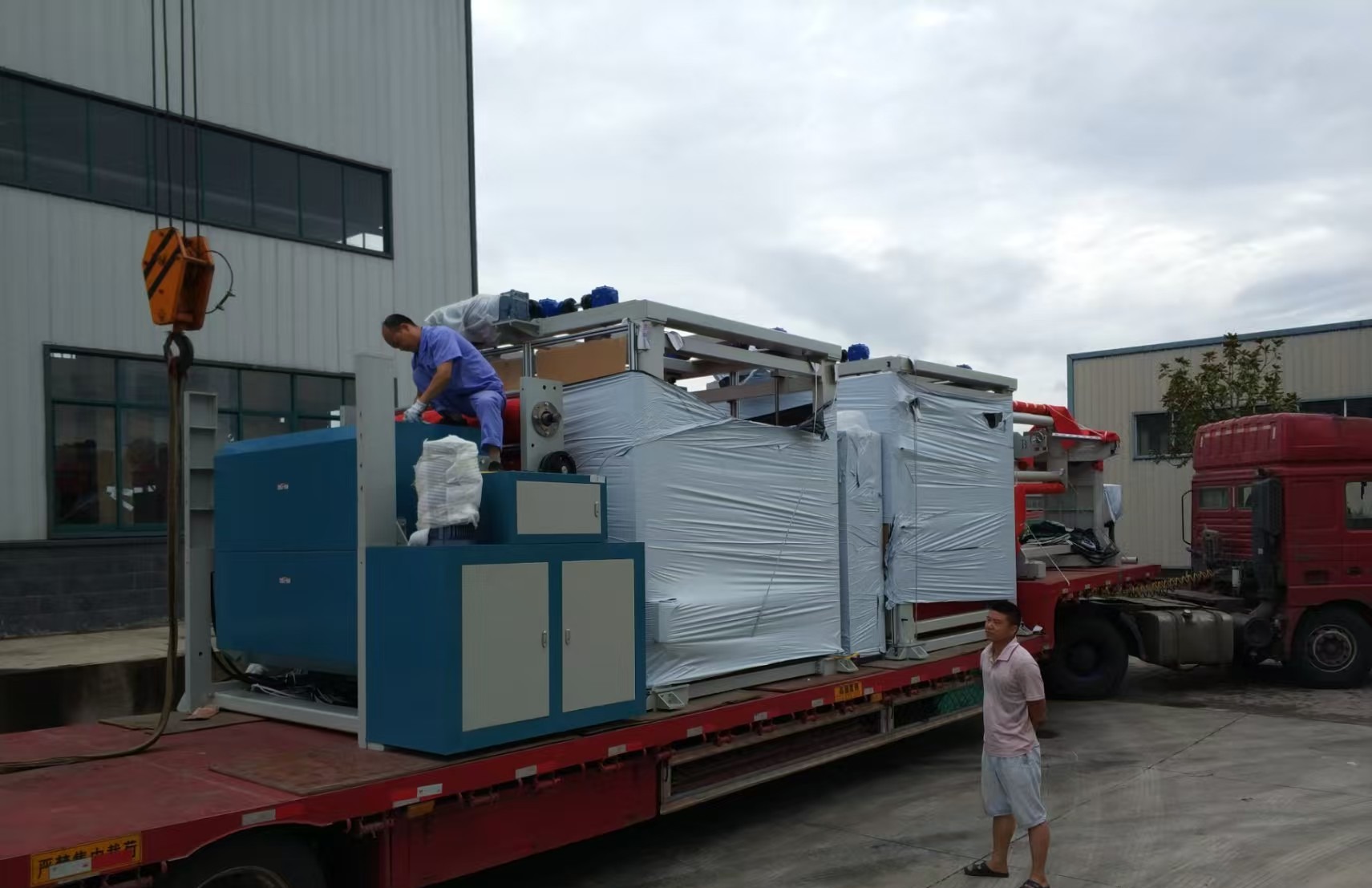
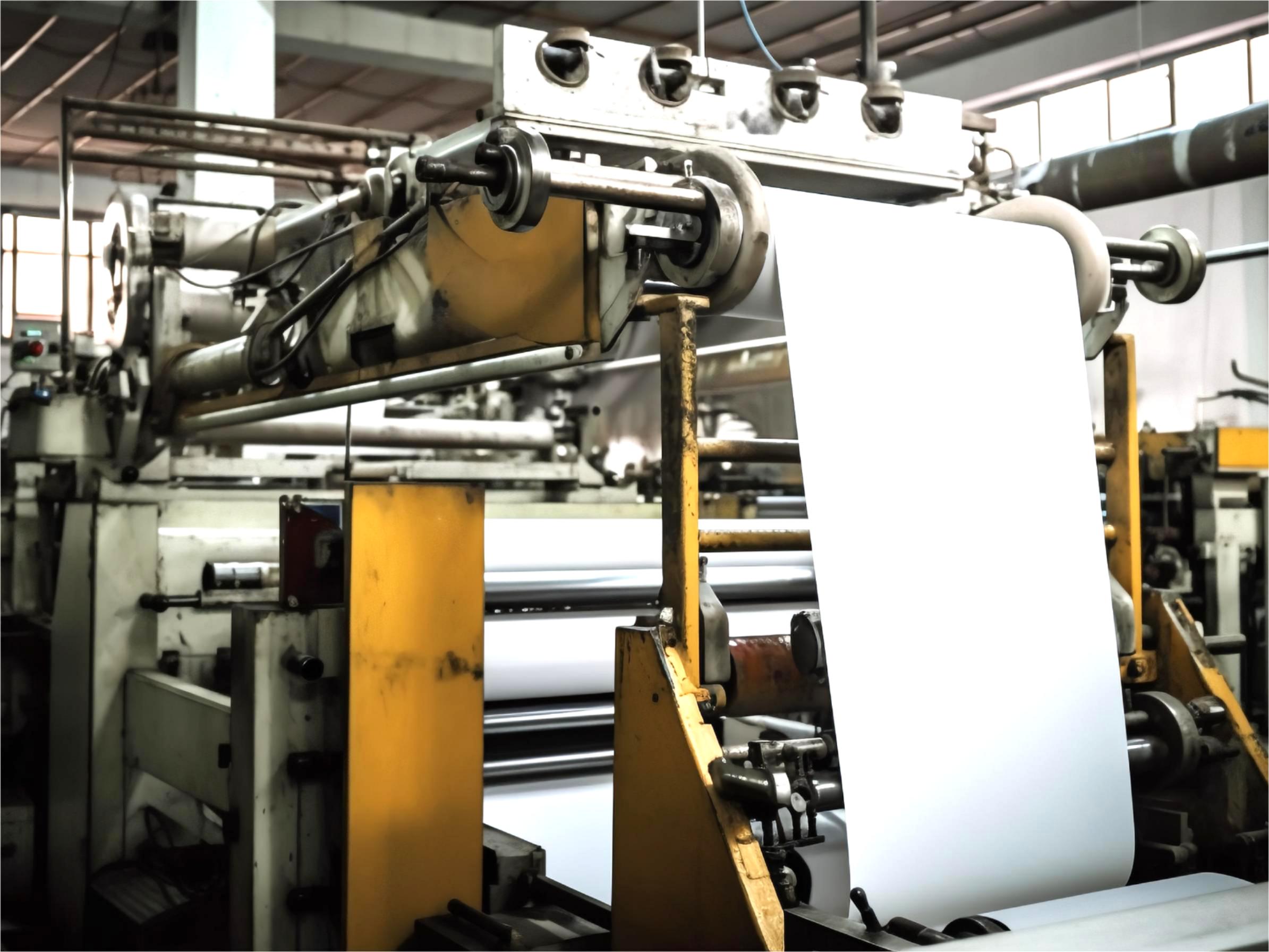
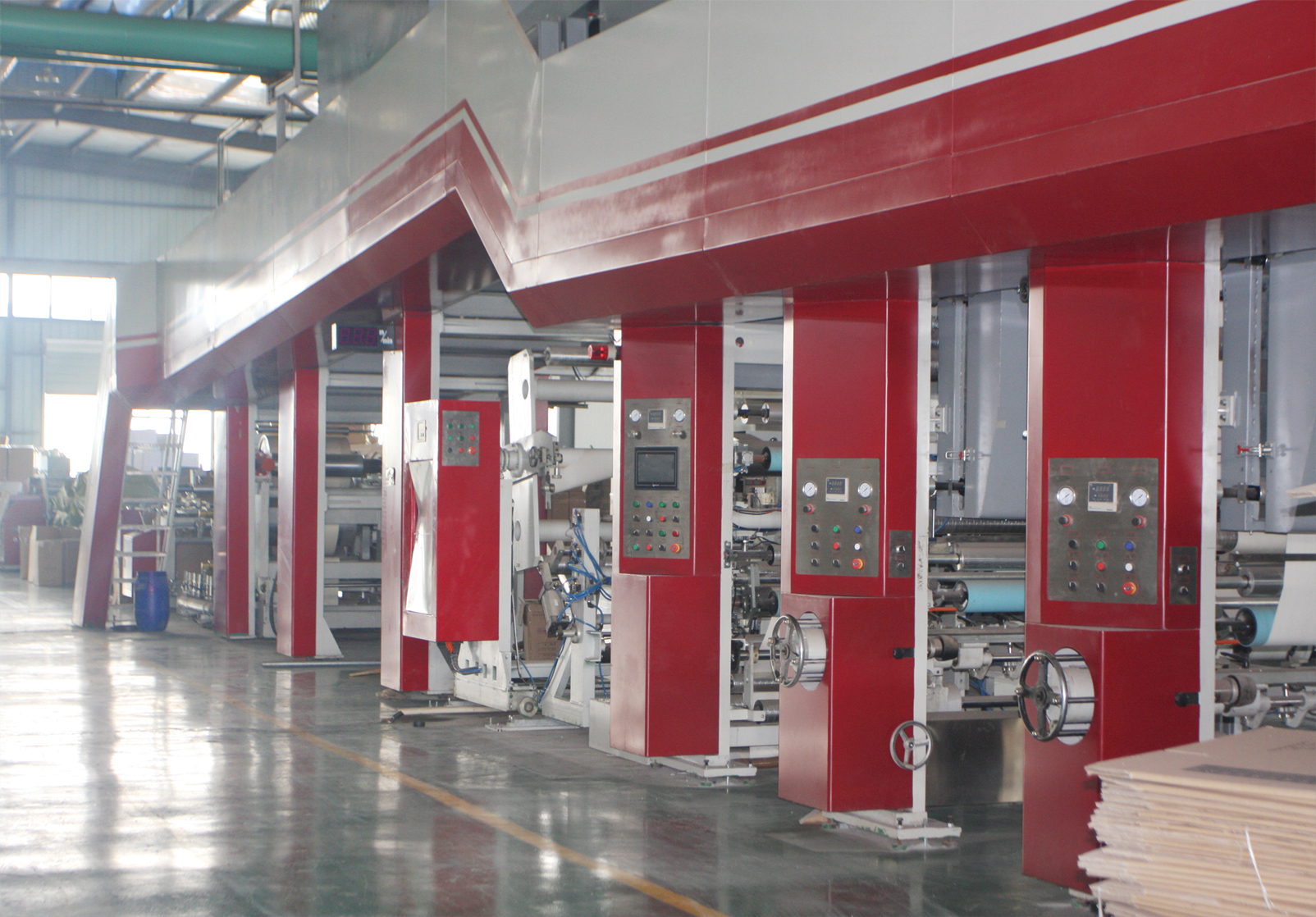
The Machinery Revolution: Ambitious Chinese entrepreneurs initially relied on importing decommissioned or mature production lines from Europe, such as Dutch “Stork” rotary screen printing lines and German PVC extruders. However, the true cornerstone for China’s subsequent rapid development was laid when domestic equipment factories, primarily located in Guangdong, began engineering their own wallpaper machinery. Because this domestic equipment cost only one-tenth of its European counterparts, it drastically lowered the barrier to entry, sparking a nationwide manufacturing boom.
The Taiwanese & Korean Influence: Simultaneously, experienced Taiwanese wallpaper manufacturers increasingly shifted their production bases to mainland China, bringing vital operational know-how and advanced factory management systems. Concurrently, Korean wallpaper—known for its distinct textures and modern aesthetics—became highly popular among Chinese consumers, prompting Korean manufacturers to establish strategic representative offices in major hubs like Shanghai and Beijing to capture the booming market.
By combining affordable domestic machinery, Taiwanese operational expertise, and localized heavy PVC compounding, domestic manufacturers crashed the unit cost of standard vinyl wallpaper from over $20 per basic imported roll to less than $3 for a domestically produced equivalent. By 2005, imported standard wall decor had virtually vanished from mass-market retail channels.
Structural Transformation: The Rise of Coastal Clusters
As manufacturing scaled, the industry transitioned from localized, province-bound factories to highly centralized, hyper-efficient manufacturing clusters. This was driven by capital concentration and proximity to raw material supply chains (specifically the petrochemical refining needed for PVC resins).
Two major dynamics defined this clustering, backed by undeniable volume data:
Guangdong (The Equipment & Early Manufacturing Hub): Benefiting from foreign investment, Guangdong established itself not only as an early manufacturing base but, more importantly, as the crucial incubator for the domestic wallpaper machinery that fueled the entire nation’s capacity expansion.
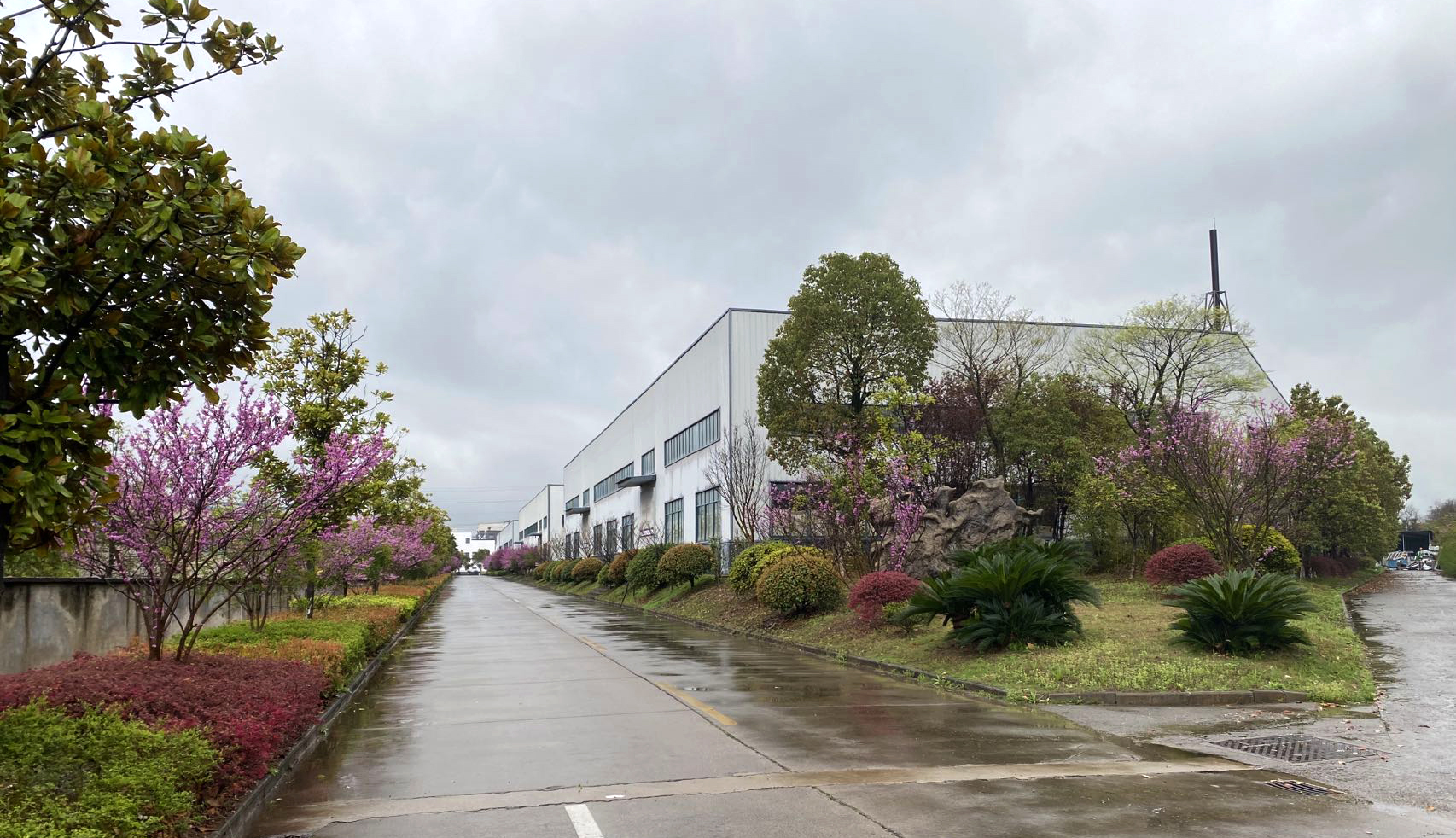
Zhejiang/Jiangsu (The Wallcovering Production Hub): Leveraging their historical dominance in textile manufacturing, cities like Shaoxing and Jiaxing pivoted their weaving and printing expertise into wallcoverings. By 2005, the Yangtze River Delta controlled over 50% of domestic wallpaper production capacity, even more.
Originally published on LinkedIn by Jingzhe Guo.